



Ford Electric Vehicles: Complete Guide to Ford EVs, Range & Charging
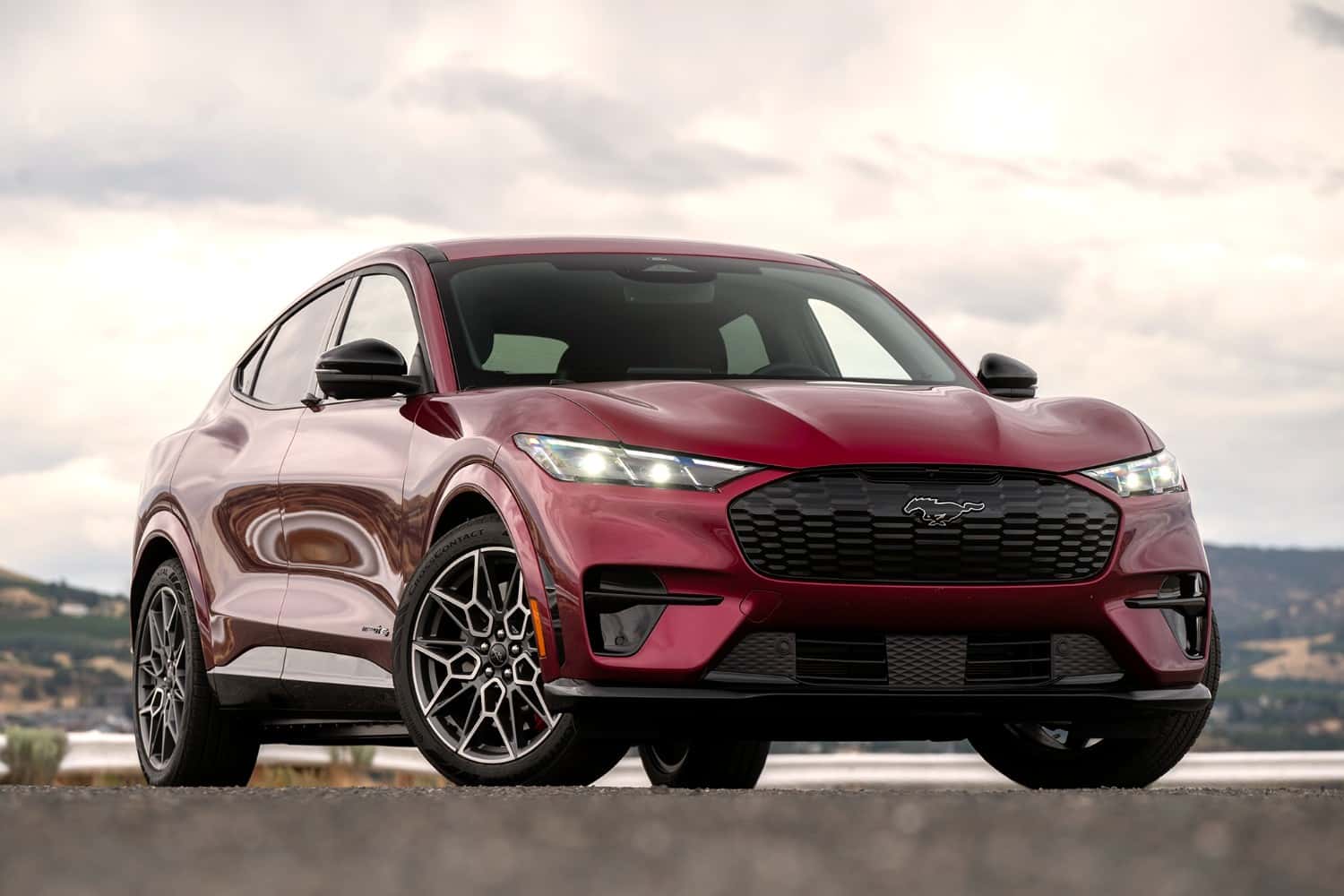
Walking onto our lot in Muskogee this fall, you might notice something surprising. Ford’s electric lineup actually got smaller this year after production ended on the electric F-150. Yet, at the very same time, engineers are readying an all-new midsize electric pickup for next year.
Right now, shopping for ford electric vehicles means cutting through outdated internet rumors and looking at the real metal on dealer lots. We will walk you through the current two-vehicle roster, realistic battery range on Oklahoma highways, charging setup times, and true ownership costs.
Everything here reflects confirmed manufacturer details and verified market numbers as of October 2026.
Quick Summary
The roster of new ford electric vehicles on sale today comes down to two models: the Mustang Mach-E SUV and the commercial E-Transit van. Real-world driving range runs from 143 miles on tall-roof delivery vans up to roughly 320 miles on extended-range passenger models. Most drivers charge overnight at home on 240-volt power, while highway road trips rely on the expanded public BlueOval Charge Network. The biggest shift this year is simple: Ford paused full-size electric truck production to focus on new midsize truck architecture.
Key Takeaways
- Ford builds two electric models for 2026: the Mustang Mach-E crossover and the E-Transit work van.
- The 2026 Mustang Mach-E delivers an EPA-estimated range between roughly 240 and 320 miles depending on battery size.
- Starting prices for the 2026 Mach-E range between $37,800 and $39,840.
- The 2026 E-Transit van carries an 89.9 kWh battery with 143 to 159 miles of range.
- Production on the F-150 Lightning ended in late 2025, leaving only leftover dealer stock for 2026 buyers.
- The federal $7,500 EV purchase credit ended on September 30, 2025, per the IRS.
- Ford’s upcoming midsize electric pickup, code-named Fathom, targets an entry MSRP near $28,350 for 2027.
Ford EVs at a Glance
| Model | Type | EPA Range | 2026 Status |
| Mustang Mach-E | Compact SUV | ~240 to 320 miles | Available new |
| E-Transit | Commercial Van / Chassis Cab | 143 to 159 miles | Available new |
| F-150 Lightning | Full-Size Pickup | 240 to 320 miles | Discontinued; remaining new stock only |
| Ford Fathom | Midsize Pickup | Pending official EPA testing | Expected deliveries late 2027 |
Note: Data reflects verified manufacturer releases and automotive industry reports as of October 2026.
What Are Ford Electric Vehicles?
Ford electric vehicles are pure battery-electric cars and vans powered entirely by an onboard battery pack and electric motors, producing zero tailpipe emissions and using no gasoline whatsoever. You recharge them by plugging into an electrical outlet or charging station rather than pumping fuel at a gas station.
A lot of drivers mix up Ford EVs with standard hybrids. While a hybrid pairs a small battery with a gas engine that still burns fuel, fully electric Ford cars completely drop the gas tank. At James Hodge Ford, we sell great gas-electric options like the Ford Maverick and Explorer Hybrid, but those are covered in our separate hybrid inventory hub. Today, we are focusing strictly on pure electric power.
Driving all-electric introduces a few distinct changes from traditional gas vehicles:
- Instant acceleration: Electric motors deliver immediate torque the moment you press the accelerator pedal, offering smooth and responsive pickup without gear shifts.
- Quiet cabin: Without internal combustion, road trips down Highway 69 are remarkably silent, cutting out engine noise and mechanical vibration.
- Home recharging: Instead of planning trips to local gas pumps, you simply plug in overnight and wake up every morning with a full battery.
Ford EV Lineup in 2026: What You Can Actually Buy
The current Ford EV lineup consists of two production models you can purchase new: the Mustang Mach-E SUV and the commercial E-Transit van. While other brands run bloated showrooms, Ford electric vehicles 2026 focus on two proven, practical segments while new truck architectures finish development.
Ford Mustang Mach-E
The Mustang Mach-E serves as Ford’s everyday electric SUV, blending five-passenger crossover utility with athletic road manners. EPA-estimated range spans from roughly 240 miles on entry all-wheel-drive configurations up to 320 miles on the Extended Range rear-wheel-drive Premium trim.
Crucially for chilly Green Country winters, a standard heat pump now comes on all 2026 models to protect cold-weather driving efficiency. Ford backs the powertrain with an 8-year or 100,000-mile high-voltage battery warranty. You can explore trim availability directly on our Mustang Mach-E inventory.
Ford E-Transit
Built strictly for commercial work, the 2026 E-Transit van packs an 89.9 kWh battery producing 266 horsepower to the rear wheels. Depending on roof height, EPA range spans 143 to 159 miles, making it tailored for local deliveries and regional trades.
Pricing starts around $50,145 for the bare chassis cab according to InsideEVs, scaling upward to roughly $58,770 for tall-roof cargo setups per Kelley Blue Book. You can evaluate fleet options through our E-Transit inventory or speak with our team via the Commercial Vehicle Center.
What Happened to the F-150 Lightning?
Ford’s next chapter in electric trucks centers on the Ford Fathom, an upcoming midsize electric pickup engineered on the Universal EV Platform. Assembly takes place at the Louisville Assembly Plant in Kentucky, targeting a starting base MSRP of roughly $28,350.
Customer pre-orders are anticipated in early 2027, with retail deliveries expected later that year. Because specs remain preliminary, confirm production timing and final trims on Ford
| Model | Body Style | EPA Range | Best For |
| Mustang Mach-E | Compact SUV | 240–320 mi | Daily commuters, families, road trips |
| E-Transit | Cargo Van / Chassis Cab | 143–159 mi | Local trade contractors, urban delivery routes |
| F-150 Lightning | Full-Size Pickup | 240–320 mi | Buyers finding final dealer inventory |
| Ford Fathom (2027) | Midsize Pickup | TBD | Future buyers seeking affordable truck utility |
Ford’s showroom is noticeably leaner today than it was twelve months ago. But rather than pushing niche models that do not sell, the brand is concentrating on its two strongest performers while retooling for affordable next-generation platforms.
Ford Electric SUV: Mustang Mach-E Trims and Pricing
If you are shopping for a Ford electric SUV in 2026, the Mustang Mach-E is your sole option. Entry pricing generally starts between $37,000 and $40,000 depending on the trim and source. From there, driving range runs from roughly 240 miles on standard all-wheel-drive models up to 320 miles on extended-range versions.
Finding the right setup comes down to your daily commute and winter driving habits. The entry Select model uses a standard-range battery rated for 260 miles with rear-wheel drive or 240 miles with dual-motor eAWD. Stepping up to the Premium trim lets you opt for the extended-range battery, which tops out at an impressive 320 miles. If you want blistering acceleration, the GT trim comes exclusively with all-wheel drive and packs 700 lb-ft of torque, delivering 280 miles of range.
Every 2026 model now includes a standard heat pump, which prevents Oklahoma winter chills from drastically draining your battery when running the heater. Efficiency remains solid at 107 MPGe combined on rear-drive models per AutoFinder ratings. Over five years, Kelley Blue Book estimates an overall ownership cost around $56,262, with depreciation accounting for roughly $24,453 of that total.
| Trim | Battery / Range Note | Who It Fits |
| Select | Standard battery; ~240 mi (eAWD) to 260 mi (RWD) | Daily commuters around Muskogee and Tulsa |
| Premium | Standard or extended battery; up to 320 mi | Road-trippers wanting maximum highway range |
| GT | Extended battery; ~280 mi (eAWD only) | Drivers prioritizing rapid passing power |
| Rally | Extended battery; ~255 mi with raised suspension | Buyers wanting rugged dirt-road styling |
As a daily family vehicle, this Ford electric SUV balances sporty handling with practical cargo room. You can check current arrivals on our Mustang Mach-E inventory or estimate your monthly loan terms using our online payment calculator.
How Far Do Ford EVs Go? Ford EV Range Explained
The 2026 Mustang Mach-E delivers an EPA-estimated range between roughly 240 and 320 miles depending on your choice of battery pack and motor drive. For commercial fleets, the 2026 E-Transit van is rated between 143 and 159 miles depending on roof height.
EPA range is a standardized estimate calculated in a controlled laboratory setting to provide a direct baseline comparison between different electric vehicles. Real-world driving numbers fluctuate because laboratory dynamometers cannot duplicate windy rural expressways, steep grades, or freezing winter cold snaps. You can view window-sticker figures and compare models at fueleconomy.gov.
What Cuts Your Range
Your Ford EV range moves up or down based on everyday driving conditions:
- Highway speeds: Sustained speeds above 70 mph increase aerodynamic drag, creating a typical estimated drop of roughly 10% to 15% compared to city driving.
- Freezing weather: Freezing cold slows down internal battery chemistry, producing a typical estimated range loss of up to 20% to 30% in sub-freezing temperatures.
- Cabin heat: Running standard electric resistance cabin heaters draws straight from the traction battery, though the 2026 standard heat pump helps buffer this hit.
- Cargo and towing: Carrying heavy payload in a van or packing an SUV full of gear demands continuous extra power from the motors.
- Larger wheel options: Upgrading to larger wheels with wider performance tires adds rolling resistance and clips a few miles off your total distance.
| Model | EPA Range | Cold-Weather Expectation | Typical Use |
| Mustang Mach-E (Standard) | ~240–260 miles | ~170–205 miles (typical winter drop) | Daily commuting, school drop-offs, local errands |
| Mustang Mach-E (Extended) | Up to 320 miles | ~225–255 miles (typical winter drop) | Long-distance turnpike travel, regional road trips |
| E-Transit (Cargo Van) | 143–159 miles | ~100–125 miles (typical winter drop) | Fixed local commercial routes, parcel deliveries |
Range in Real Oklahoma Life
Consider a routine round trip from Muskogee up to Tulsa for dinner and an evening show. That drive easily fits inside a single charge on any Mustang Mach-E, allowing you to commute up Highway 69, run around town, and return home with battery to spare without stopping at a public plug.
Winter mornings present a different scenario. When January temperatures hover in the low twenties, you simply set your departure time in the vehicle app while plugged in at home. Pre-heating the cabin from wall electricity keeps your battery warm and preserves your full driving cushion for the morning drive.
Ford EV Charging: Home, Public and Road Trip
Ford EV charging centers on a simple routine: plugging into a 240-volt Level 2 charger at home overnight, then relying on high-speed public fast chargers when traveling. This setup keeps your battery topped off daily without wasting time waiting at charging plazas.
Charging at Home
Level 1 charging uses an ordinary three-prong 120-volt wall outlet. It adds only a few miles of range per hour, making it too slow for primary use. In contrast, Level 2 runs on a dedicated 240-volt circuit, usually filling a drained battery overnight while you sleep.
When hiring a licensed electrician, ask if your electrical panel has space for a dedicated 40-amp or 50-amp breaker, and get a written quote since installation costs vary based on your home’s wiring. Under Ford’s Power Promise program, qualifying buyers have received a complimentary Level 2 home charger with standard installation, plus 24/7 support. Program terms and offers vary over time, so verify current eligibility when purchasing.
Public Fast Charging and the BlueOval Charge Network
Away from home, owners connect through the BlueOval Charge Network, which consolidates dozens of charging brands under one app. The network includes access to thousands of Tesla Superchargers by utilizing the Ford Fast Charging Adapter.
The system links well over 100,000 public chargers, with the current count on Ford.com. Compatible stations support Plug & Charge, allowing you to plug in and automatically bill your account without swiping a credit card.
How Long Does Charging Take?
| Charger Type | Typical Speed | Best For |
| Level 1 (120V Home) | Adds ~2–4 miles of range per hour | Emergency top-offs, extended parking |
| Level 2 (240V Home/Work) | Adds ~20–30 miles of range per hour; full charge overnight | Daily overnight charging at home |
| DC Fast Charging (Public) | 10% to 80% in roughly 30 to 40 minutes (typical estimate) | Turnpike rest stops, highway road trips |
Charging in Smaller Towns and Rural Oklahoma
Fast chargers sit along major corridors like I-40 and the Muskogee Turnpike, but public plugs remain sparse in rural Oklahoma. Do not expect every small town to have a working high-power station.
Map your route before heading off the beaten path using the Department of Energy station locator at afdc.energy.gov. If you cannot charge at home, owning an EV out here requires extra planning.
Check These 5 Things Before You Buy
- You have an off-street parking spot near a power source.
- Your home electrical panel can support a dedicated 240-volt circuit.
- Your daily round-trip driving fits easily inside an 80% battery charge.
- You mapped fast chargers along your most frequent out-of-town routes.
- You received a firm installation estimate from a licensed local electrician.
What Do Ford Electric Vehicles Cost to Own in 2026?
Without federal tax credits, your true cost comes down to upfront purchase price, home electricity rates, and expected vehicle depreciation. While powering an EV is generally cheaper per mile than filling up with unleaded gas, exact operating savings depend entirely on your local electric utility rates.
The Federal Tax Credit Is Gone
The federal clean vehicle purchase credit of up to $7,500 officially ended for vehicles acquired after September 30, 2025, per the IRS. That means new electric buyers cannot claim that tax deduction on their 2026 tax returns.
Keep in mind that rules for home charging equipment tax credits follow separate federal and state statutes. Always consult a qualified tax professional regarding any current write-offs on charger hardware and wiring.
What the Market Did Next
With subsidies disappearing, total US EV sales across the first half of 2026 reached about 463,000 units, sliding 23.8% year over year according to Kelley Blue Book. Several rival automakers immediately slashed sticker prices between $7,500 and $9,800 to offset the lost incentive.
Ford felt that broader market cooling too. Ford Authority reported Q2 2026 US electric deliveries fell 41% to 9,746 vehicles. Softening demand means retail buyers often encounter stronger dealer discounts and manufacturer incentives, making it a great time to shop current pricing.
Running Costs
Your day-to-day running costs start with home charging setup, so bring in a licensed local electrician for a firm installation quote. Calculating your fuel cost is straightforward: take your utility rate per kilowatt-hour from your electric bill and multiply it by the kilowatt-hours your car consumes.
Budget for insurance adjustments and local road fees. Because EV drivers skip state gas taxes, Oklahoma charges an additional annual electric vehicle registration fee on top of standard tag renewals. Check current fee schedules directly through Service Oklahoma or the Oklahoma Tax Commission.
You can map your monthly budget with our payment calculator, submit a credit application via our finance department, or check out current new vehicle specials.
Ford EV vs Hybrid vs Gas: Which Fits Your Life?
Electric vehicles best serve drivers with home charging setups and predictable daily commutes. Hybrids fit folks who want significantly fewer fuel stops without ever plugging into a wall. Traditional gas models remain ideal for drivers taking frequent long rural trips with zero charging infrastructure along the route.
| Factor | Ford EV | Ford Hybrid | Ford Gas |
| Energy Cost | Lowest per mile when charged at home overnight | Very low; balances gas savings with regenerative braking | Subject to fluctuating retail gas station pump prices |
| Refuel / Recharge Time | Overnight at home; 30 to 40 minutes at DC fast plugs | 5 minutes at any gas pump | 5 minutes at any gas pump |
| Upfront Price | Moderate to higher; narrowing gap with dealer discounts | Moderate; accessible entry points | Broadest price span from budget to luxury |
| Maintenance | Minimal; no engine oil changes or spark plugs | Standard engine service plus regenerative brake upkeep | Regular oil changes, spark plugs, and fluid flushes |
| Cold-Weather Performance | Range drops up to 20% to 30%; heat pump helps | Minor winter mileage dip; heater runs off engine | Reliable winter warmth; slight seasonal fuel economy drop |
| Best For | Daily commuters with garage or driveway power | High-mileage drivers wanting 40+ mpg without plugging in | Heavy towing, rural ranches, and remote road trips |
If you love the idea of electrification but do not want to worry about charging cables, Ford builds outstanding gas-electric alternatives. The compact Ford Maverick delivers exceptional around-town utility, while the three-row Ford Explorer Hybrid gives large families room to stretch out.
Gasoline power still wins hands down when you are hauling livestock trailers across county lines or traveling into remote Oklahoma areas where fast chargers simply do not exist.
Is a Ford Electric Vehicle Right for You?
Choosing the right powertrain comes down to your daily parking spot, typical mileage, and how you feel about plugging in. An honest look at your weekly routine will tell you whether going all-electric makes practical sense right now.
When a Ford EV Makes Sense
- You park every night in a garage or driveway where you can charge.
- Your typical weekday commute stays comfortably under 150 miles round trip.
- You prefer skipping routine engine oil changes, spark plug swaps, and fuel stops.
- You manage a local business fleet with consistent, predictable daily delivery routes for an E-Transit.
When a Hybrid or Gas Model Is the Better Call
- You live in an apartment complex or rental property without reliable overnight charging access.
- Your schedule demands frequent, long rural drives through areas lacking public fast chargers.
- You regularly tow heavy equipment, cattle trailers, or boats over long distances.
- You want a dedicated electric truck bed and prefer waiting for the 2027 Ford Fathom.
If an EV is not quite the right match for your current driveway setup, explore our Hybrids and EVs inventory hub for gas-saving alternatives, or reach out directly through our contact to discuss what fits your daily driving.
Why Trust This Guide
This guide was built by the automotive team at James Hodge Ford Muskogee to give eastern Oklahoma drivers straight, hype-free answers about electric ownership. As your local Ford dealership serving Muskogee, McAlester, and greater Tulsa, we believe clear facts help you make the right choice for your driveway.
- Local dealership access: Visit us in person at 1200 N Main Street, Muskogee, OK 74401, or reach our dedicated sales team at 918-608-8987.
- Certified maintenance support: Our factory-trained technicians handle electric vehicle software diagnostics, battery checks, and routine care through our service center (Service: 918-351-7398).
- Verified source data: Technical specifications, market trends, and pricing figures cite verified releases from Ford, the EPA, Kelley Blue Book, the IRS, and Ford Authority.
- Transparent market limits: Real-world driving range shifts with weather and driving habits, factory incentive programs change monthly, the F-150 Lightning is out of production, and federal tax credits have ended.
- Regular review process: All information was thoroughly researched, verified against current industry records, and updated as of October 2026.
Final Thoughts
The lineup of Ford electric vehicles in 2026 is smaller and more focused than before. Deciding whether an all-electric model fits your driveway comes down to whether you can charge at home overnight and how your typical driving routes look across Oklahoma. For daily commuters and local commercial delivery routes, electric power delivers lower routine maintenance and dependable daily performance.
Ready to see how an EV drives? Explore our Mustang Mach-E inventory or browse our E-Transit van selection. You can review current dealer incentives on our new vehicle specials or give our sales team a call directly at 918-608-8987.
Frequently Asked Questions
What Ford electric vehicles can I buy in 2026?
You can buy two new models this year: the Mustang Mach-E SUV and the E-Transit commercial van. The full-size F-150 Lightning ended production in late 2025, leaving only leftover dealer inventory. Ford is focusing current manufacturing on these two core vehicles while readying a new midsize electric truck for late 2027.
How far can a Ford electric car go on a single charge?
A Ford electric car covers between roughly 143 and 320 miles depending on the model and battery size. The 2026 Mustang Mach-E achieves an EPA-estimated 240 to 320 miles across its configurations. Commercial E-Transit cargo vans deliver between 143 and 159 miles, depending primarily on chosen roof height and body style.
Is the F-150 Lightning still available?
Ford stopped building the F-150 Lightning in December 2025, so no 2026 model year was produced. Any remaining models on dealership lots represent leftover new 2025 units. Ford continues providing complete warranty coverage, replacement parts, and maintenance support for current owners, with an extended-range hybrid truck planned for the future.
How long does it take to charge a Ford Mustang Mach-E?
Plugging into a 240-volt Level 2 home charger typically replenishes the battery overnight while you sleep. At public DC fast-charging plazas, a Mach-E can charge from 10% to 80% in roughly 30 to 40 minutes under favorable conditions. Standard 120-volt household plugs add only a few miles of range per hour.
Can Ford EVs use Tesla Superchargers?
Yes, Ford EVs can access compatible Tesla Superchargers across the country by using the Ford Fast Charging Adapter. This capability integrates directly into the BlueOval Charge Network, letting drivers find stations, initiate charging, and manage billing straight through the FordPass smartphone application or built-in vehicle screen.
Is there still a federal tax credit for Ford electric cars?
No, the federal clean vehicle tax credit of up to $7,500 ended for vehicles acquired after September 30, 2025, according to the IRS. As a result, new electric vehicles purchased in 2026 do not qualify for this federal purchase credit, though local utility rebates and dealer discounts may still apply.
How much does it cost to charge a Ford EV at home?
Your home charging cost depends on your local electric utility rate. To calculate a full charge, multiply your utility rate per kilowatt-hour by the usable kilowatt-hour capacity of your vehicle’s battery pack. Check your latest monthly electric bill to find your exact rate per kilowatt-hour.
How does cold weather affect Ford EV range?
Freezing temperatures can reduce battery efficiency by up to 20% to 30% because cold temperatures slow internal chemical reactions and cabin heaters draw extra power. All 2026 Mustang Mach-E trims feature a standard heat pump to reduce heater drain, and preconditioning while plugged in preserves driving range.
Disclaimer: Pricing, manufacturer incentives, vehicle availability, and estimated driving ranges mentioned in this guide reflect verified industry data as of October 2026 and are subject to change without notice. Actual real-world driving range fluctuates based on driving speed, weather conditions, payload, and battery health. Advertised MSRPs do not include government taxes, state registration fees, title fees, or dealer-installed options. For current on-the-lot pricing, active regional programs, and exact vehicle specifications, contact the James Hodge Ford sales team or visit Ford.com.

0 comment(s) so far on Ford Electric Vehicles: Complete Guide to Ford EVs, Range & Charging